| ||
| Treasure found | ||
|
The birthday the Schmitts found the king's gold
A Florida family dove the same patch of ocean for twenty years. On June 17, 2015, Eric Schmitt came up with a coin in his hand.
| ||
|
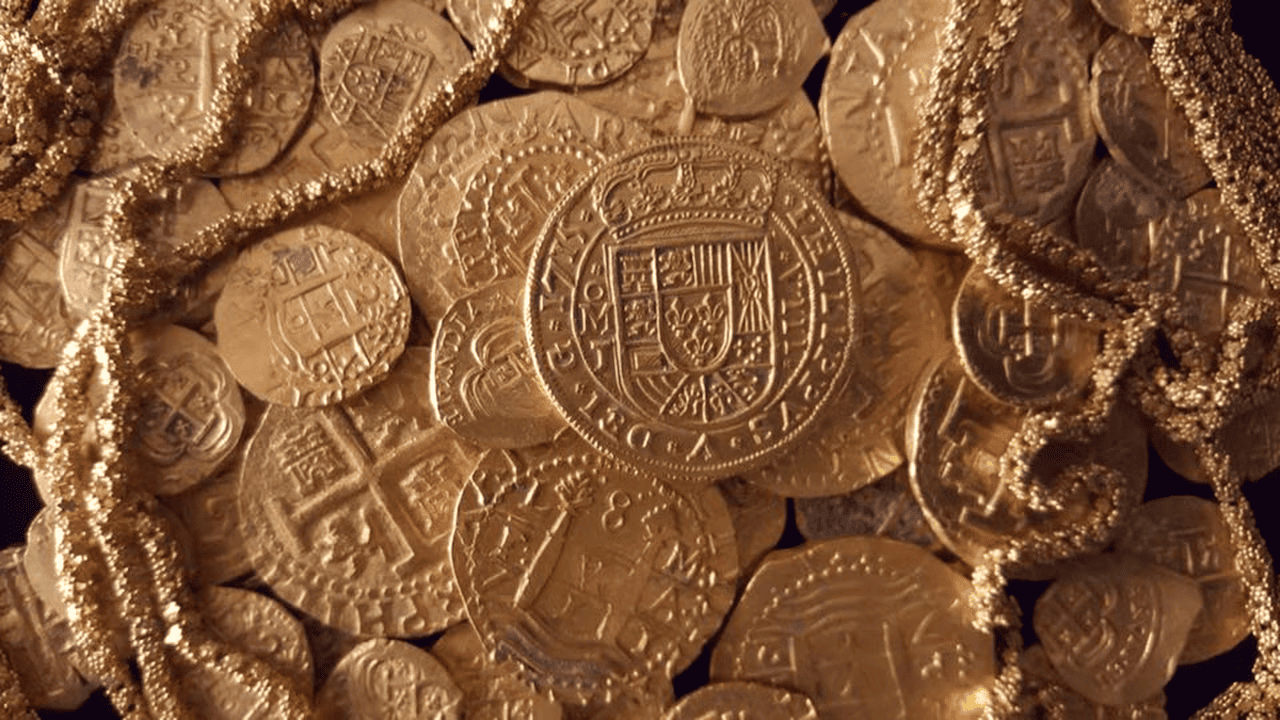
It was Hillary Schmitt's birthday, June 17, 2015. The night before, she told her family they were going to find gold in the morning. And at 9 a.m. her brother Eric went down in 15 feet of water off Fort Pierce, Florida. He came up holding a gold coin.
He went down again and came up with two more. By the time the boat turned for shore, the family had 51 gold coins and 40 feet of chain on deck. One was a Royal, a flawless coin made as a gift for the king rather than for spending. About six from this fleet still exist.
The whole haul was worth about $1 million, the Royal alone about $500,000. Florida gets the first 20 percent, and the company that owns the rights splits the rest with the divers. So the family's share came to roughly $400,000.
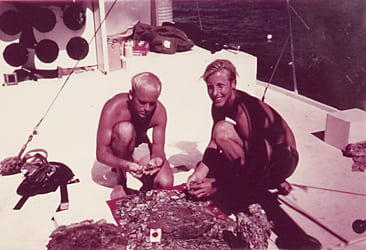
That morning came after twenty years of empty dives. Rick and Lisa Schmitt had brought their kids to the Treasure Coast every summer since the 1990s. In 2013 they found 50 feet of gold chain. Most summers they found sand and scrap.
Six weeks later a second crew came up off Vero Beach with 350 gold coins worth $4.5 million. That was July 30, 300 years to the day after the ships sank. | ||
|
|
The legend
Eleven ships sank in one night, and about 1,000 men drowned.
King Philip V of Spain got married in December 1714. His wife was Elisabeth Farnese. The story goes that she would not sleep with him until her jewels arrived from the colonies. So the fleet waited, and it left Havana in the middle of hurricane season.
Twelve ships left Havana on July 24, 1715. On paper they carried 3.5 million pesos of silver and gold. They were heavier than that, because the officers smuggled coins past the tax man. A week later a hurricane caught the fleet off Florida. Eleven ships sank between Sebastian Inlet and Fort Pierce, and about 1,000 men drowned.
| ||
|
The evidence
Florida takes its 20 percent and picks before the finders do.
Spain wrote down every chest that went aboard. Those lists are still in the national archive in Seville. But the hidden coins were never written down, so every find turns up more than the lists say.
Spain went back at once and recovered about half the cargo by 1716. Then pirates raided the camp, and Spain gave up on the rest.
Then the water sat untouched for 240 years. A building contractor named Kip Wagner started finding blackened silver coins on the beach at Sebastian after storms. He found the old Spanish camp, then the wrecks offshore in 1961.
Since 2010 a federal judge has decided who gets to dive the wrecks. The rights belong to a company called 1715 Fleet-Queens Jewels, which rents out sections to divers like the Schmitts. But Florida comes first, and the state picks the pieces it wants before the divers do.
| ||
|
What's still down there
Coins from 1715 still wash onto the sand after every storm.
Run Brisben's numbers. He values the whole cargo at about $400 million in today's money, and about $175 million of it has been recovered. That leaves roughly $225 million, in water shallow enough to stand up in.
The biggest prize is the flagship, the Capitana. She sank with 1,300 chests of silver, and divers have worked that spot for sixty years. Every storm shifts the sand and uncovers a new patch.
The beach pays too. Coins lost in 1715 wash up on the sand, and men with $300 detectors find them at dawn.
Archaeologists hate the arrangement. They say the salvage crews grab the coins and tear up the ship getting to them. The crews say Spain and 240 years of waves got there first.
| ||
|
What's true
Ten claims. Seven are documented. Three are campfire stories.
Legend
Queen Elisabeth refused the marriage bed until her jewels arrived.
The fleet sailed into the storm on her account.
The Capitana's whole cargo still lies in one spot.
Evidence
Eleven of the twelve ships sank off Florida on July 31, 1715.
About 1,000 men drowned.
Spain's own cargo lists showed 3.5 million pesos.
Eric Schmitt found 51 gold coins on June 17, 2015.
One was a 1715 Royal, worth about $500,000.
A second crew found 350 coins worth $4.5 million.
Florida takes up to 20 percent of what comes up.
| ||
|
Where it is
The whole fleet sank within swimming distance of a public beach.
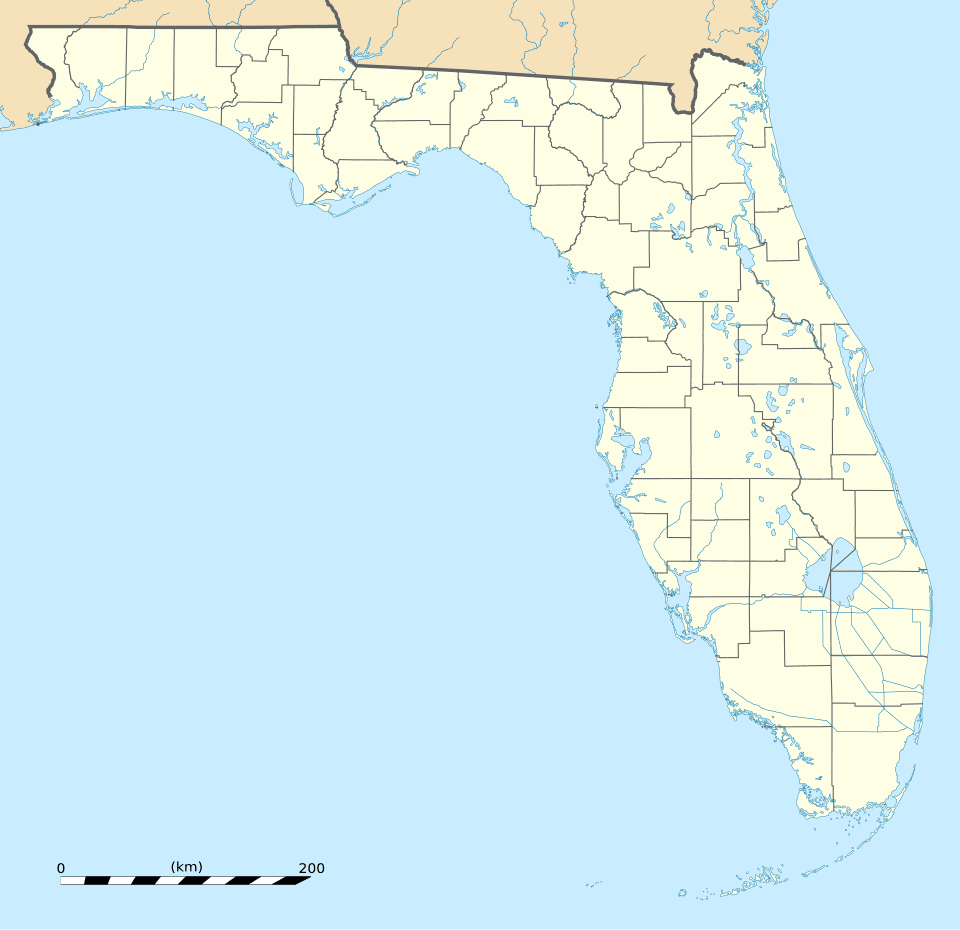
The Treasure Coast runs from Sebastian Inlet down to Fort Pierce. That is two hours north of Miami. Every wreck sits a quarter mile off the sand, in 10 to 20 feet of water.
| ||
| ||
|
What it takes to go
Go the morning after a storm, from Sebastian to Fort Pierce.
You cannot dive the wrecks without a contract from 1715 Fleet-Queens Jewels. A judge controls them, and going down without one is theft.
But the beach is different, and most Treasure Coast finds still happen there. Go the morning after a storm, anywhere from Sebastian to Fort Pierce.
And the Schmitts still dive that water, in a boat named Aarrr Booty.
| ||
|
Happy Treasure Hunting!
| ||
|
P.S. Hillary got her birthday wish. Her brother got the coin. And the state museum picked what it wanted before the family saw a dime.
|
|
Sources Coin World, July 31, 2015; National Geographic, July 28, 2015; Associated Press, July 28, 2015; CBS News, August 5, 2015; 1715 Fleet-Queens Jewels LLC press release, July 27, 2015; Archivo General de Indias, Seville (Contratación); Florida Division of Historical Resources; Kip Wagner, Pieces of Eight (1966).
Send the legend from your town to [email protected] |